Japan Chapter
18-05-2026
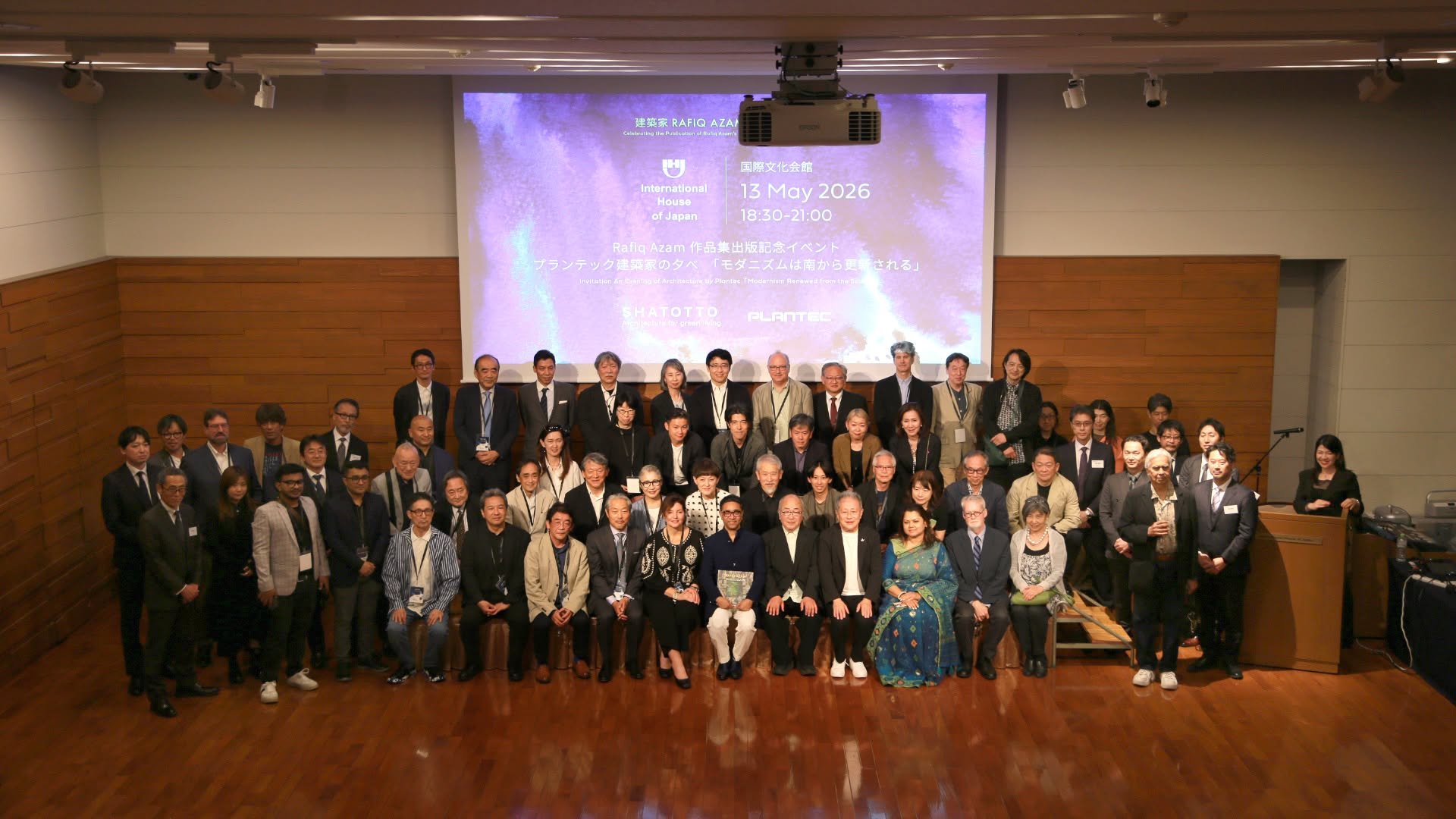
On 13 May 2026, the International House of Japan in Roppongi, Minato City, became a vibrant setting for dialogue, critique, and celebration, marking the Japan debut of architect Prof. Rafiq Azam’s monograph "RAFIQ AZAM: OLD DHAKA, NEW STORY — Architecture in Bangladesh." Titled "An Evening of Architecture" by Plantec — “Modernism Renewed from the South”, the program was coordinated in Tokyo by the Tokyo Coordinator of the Connecting Creativity initiative, Prof. George Kunihiro, and brought together an extraordinary gathering of architects, academics, and cultural thinkers from Japan and across the international architectural community.
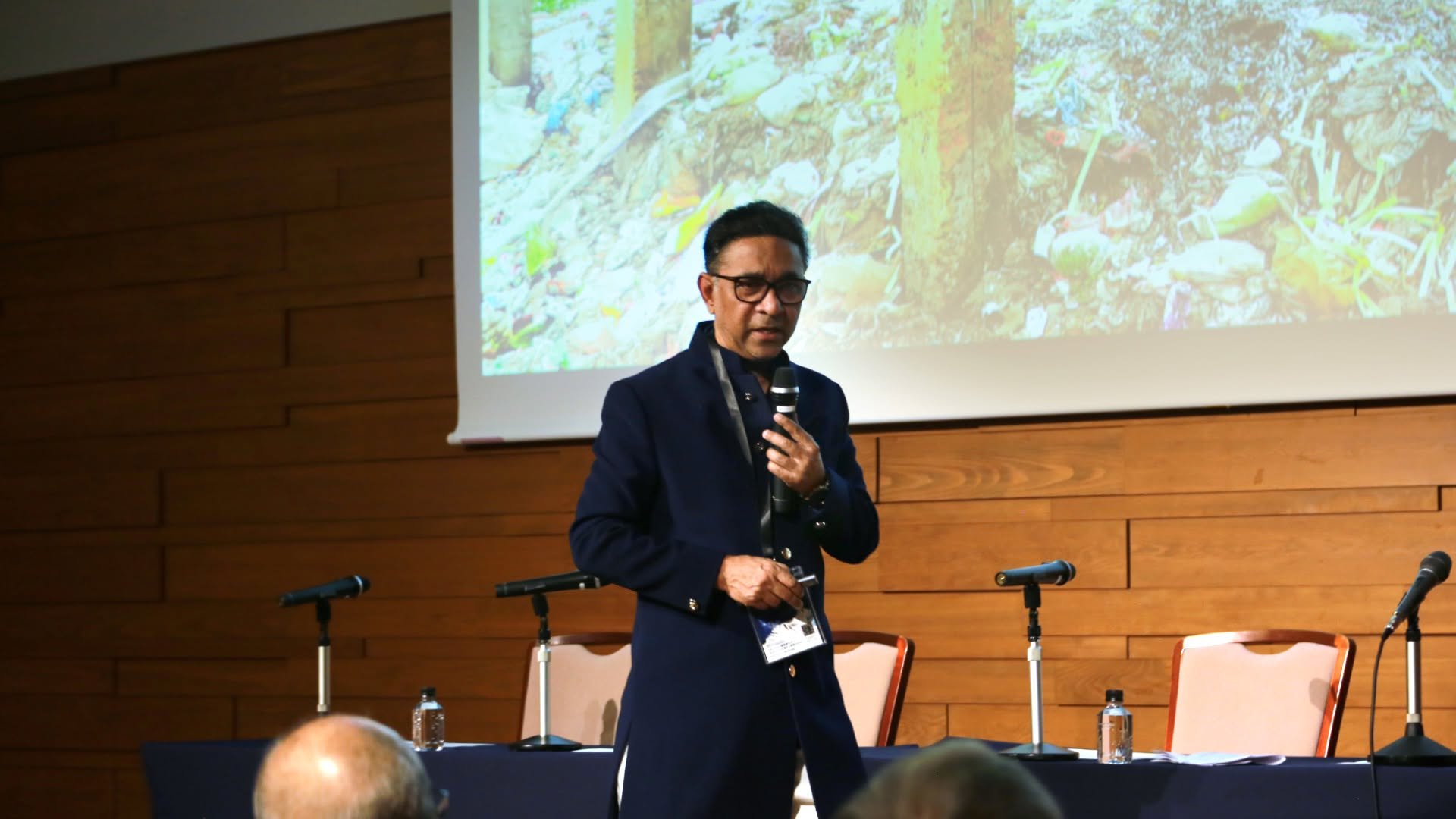
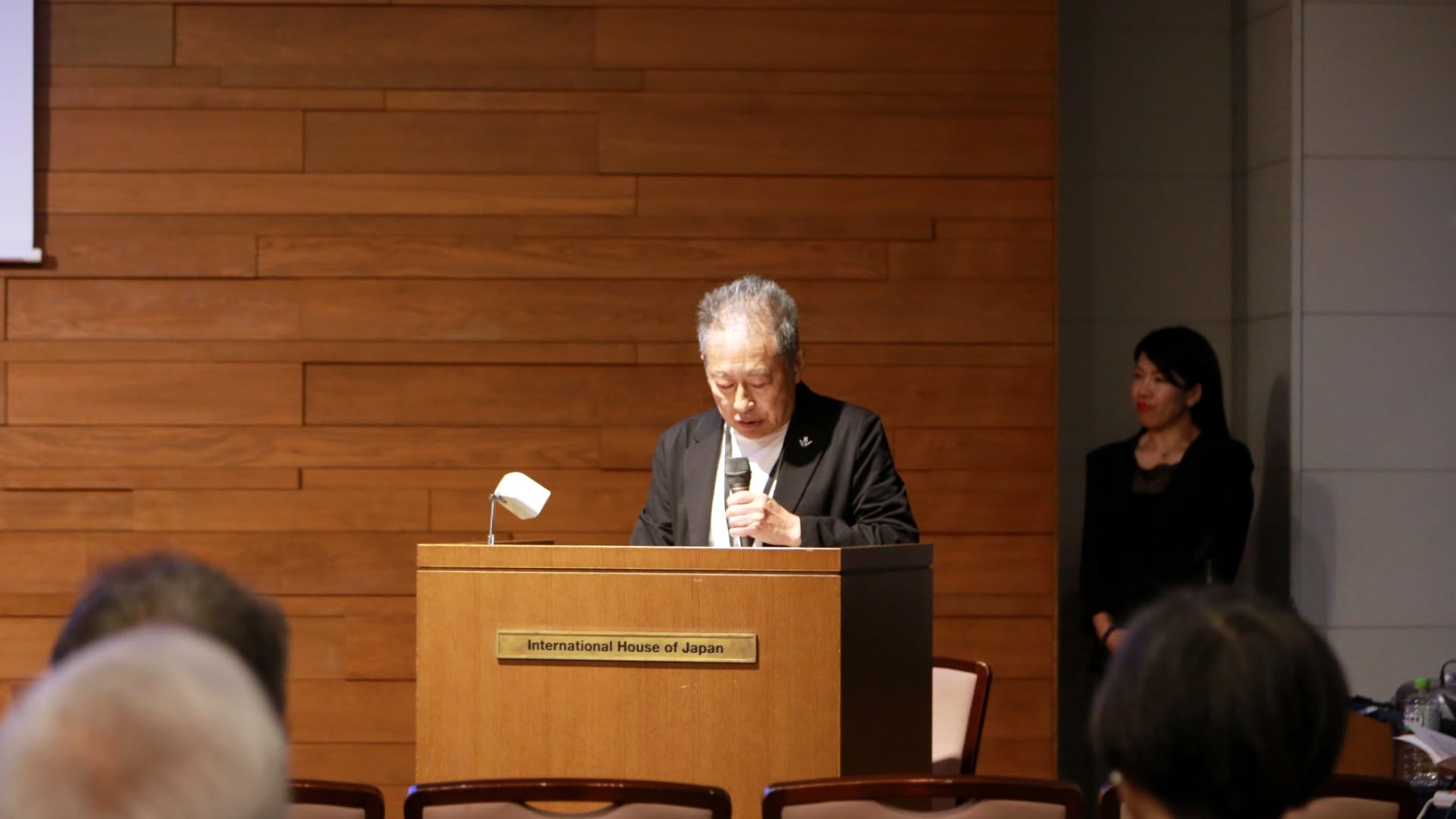
The evening commenced with welcome and inaugural remarks by Prof. George Kunihiro, Executive Officer of Plantec Inc., followed by an address from Naoyuki Koyama, CEO of Plantec Inc . The keynote introduction and opening lecture by principal architect of SHATOTTO architecture for green living, Prof. Rafiq Azam established the intellectual and poetic foundation of the gathering, reflecting upon an architectural journey deeply rooted in Old Dhaka while engaging wider global questions of culture, ecology, memory, and urban humanity.
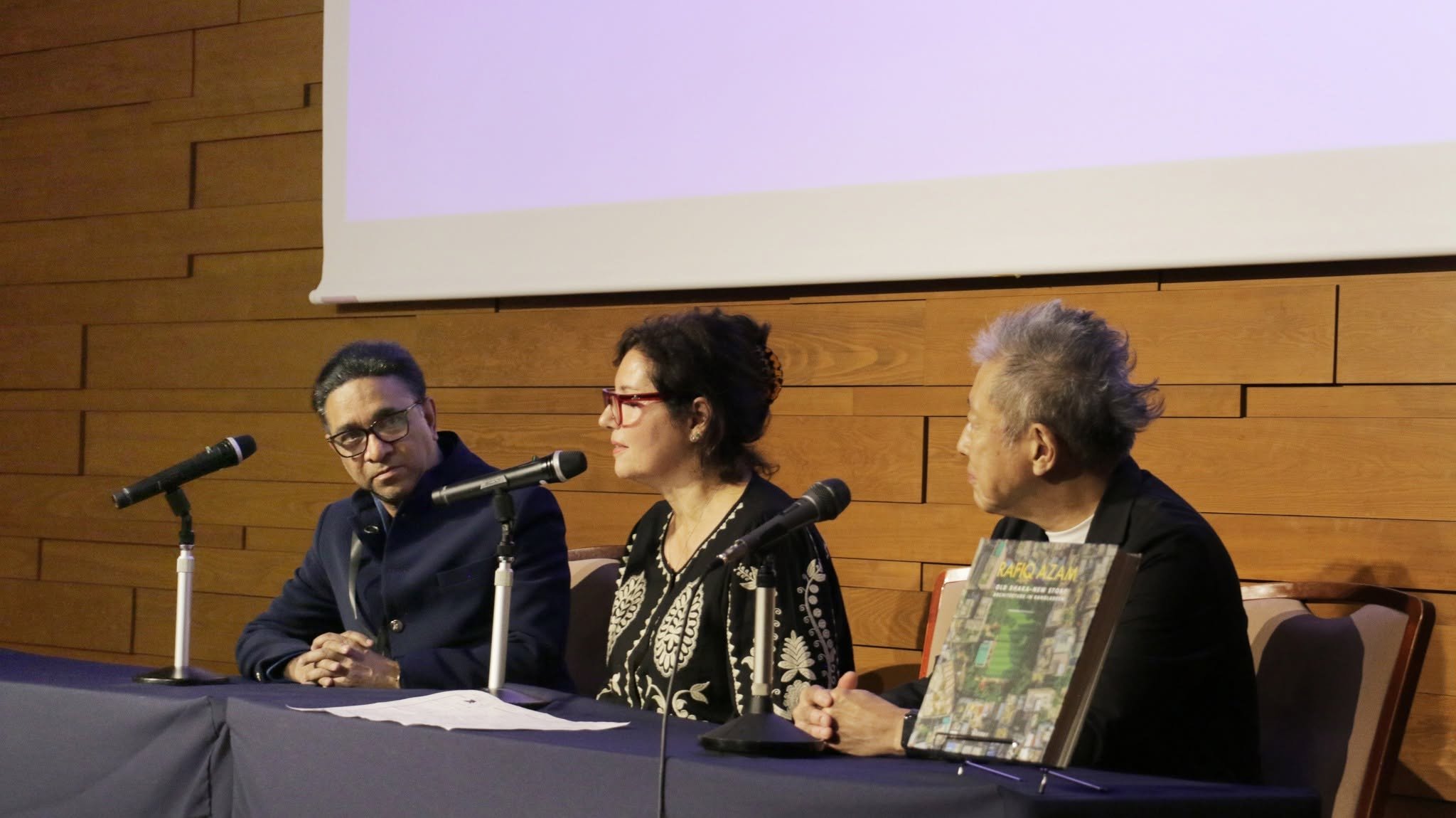
A documentary screening offered an intimate visual meditation on Azam’s architectural philosophy and creative process, revealing the spatial, social, and emotional dimensions embedded within his work. The program then transitioned into a curated session of project presentation and critical reflection, bringing together a distinguished panel including Prof. Kengo Kuma, Prof. Masayuki Kurokawa, Prof. Takaharu Tezuka, and Prof. Shin Muramatsu. Through thoughtful dialogue and critique, the discussion situated Azam’s practice within broader contemporary architectural discourse, emphasizing its resonance with questions of regional identity, climate responsiveness, material sensitivity, and the human condition.
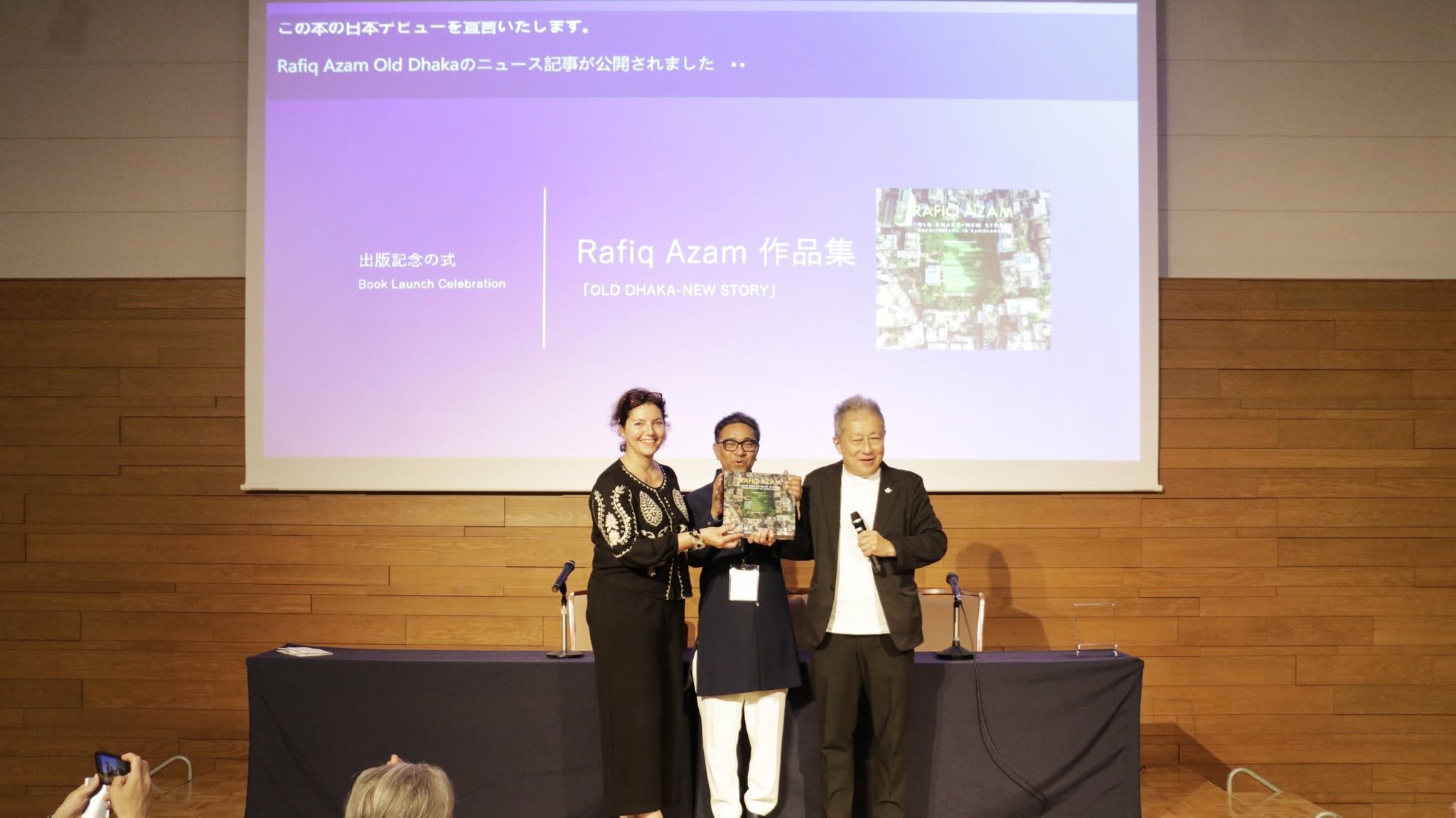
A major highlight of the evening was the official unveiling of OLD DHAKA – NEW STORY, celebrating the monograph not merely as a publication, but as a cultural and intellectual bridge between Bangladesh and Japan — connecting architectural thought across geographies, histories, and generations.
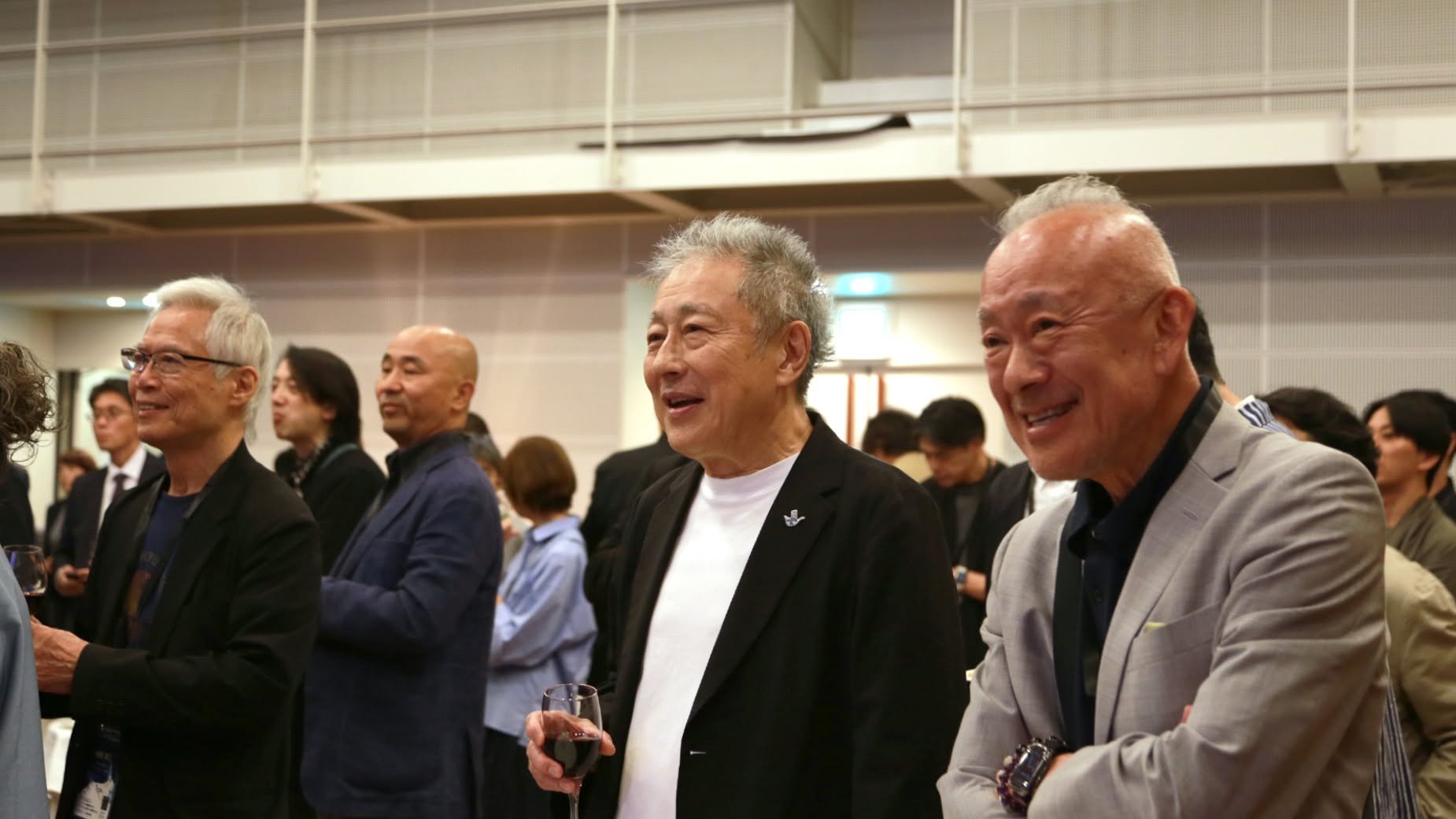
Following the ceremonial segment, the program evolved into a reception and networking gathering, allowing guests to engage in informal exchange and reflection. A celebratory toast was offered by Prof, Nobuaki Furuya, marking a moment of shared appreciation, solidarity, and cultural connection.
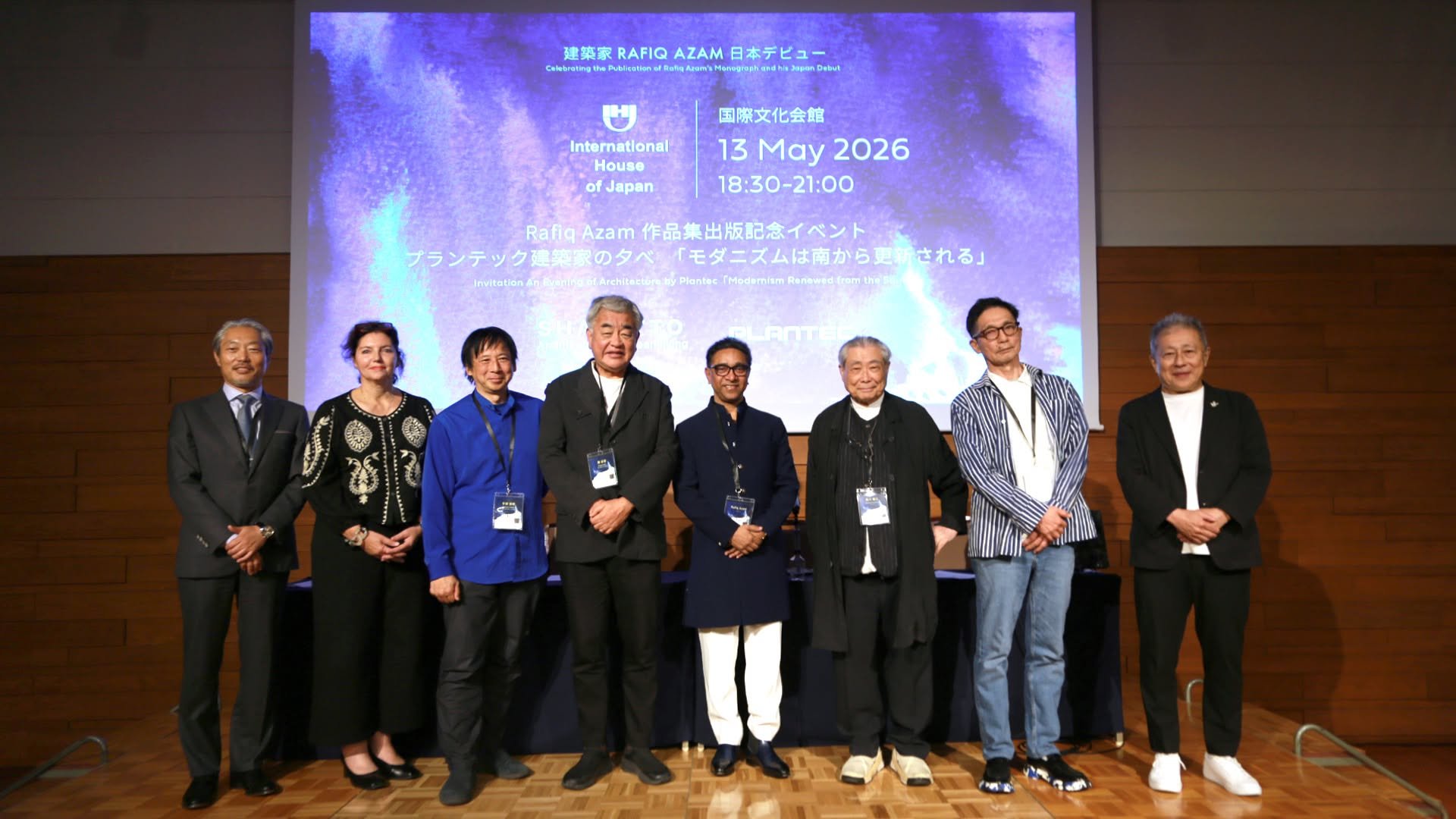
The evening concluded with closing remarks and commemorative photography, capturing a landmark occasion defined by intellectual depth, generosity of exchange, and cultural dialogue. From keynote reflections and critical conversations to celebration and collective engagement, the event embodied a shared belief in architecture as a living cultural practice — one capable of transcending borders while remaining deeply grounded in place, memory, and human experience.